In brief

Specify which tagged products count as one conveyed group and which surrounding items must be ignored. Supply normal packs and mixed loads, conveyor dimensions, speed, spacing and difficult orientations, then define how a missed, extra or repeated observation affects the accepted result.

Bring the layout and representative product brief. Confirm the event required by the tracking system; reading a nearby tag is not proof that its item passed through the intended group.

On the production floor

Plan for the conditions your team handles every day — Controlled Conveyor RFID Read Zones

Plan controlled conveyor RFID read zones around your identifiers, substrates, production events, system interfaces, exceptions and verification records. Discuss a practical data-flow approach with Oxford Traceability. For production identification using controlled conveyor RFID read zones, the deciding details include identifier and data rules for controlled conveyor RFID read zones, production speed and read-point conditions and verification, retention and reconciliation evidence.

Discuss your application
Your application

Details worth resolving early for production identification using controlled conveyor RFID read zones

Question 1

Identifier and Data Rules for Controlled Conveyor RFID Read Zones

Provide example tag identities and the products or packs they identify. State which items belong to one passing group, which surrounding stock must be ignored and how expected group contents are known.

Question 2

Substrate, Label or Tag Behaviour

Supply tagged products in their normal packs and combinations, including mixed loads and difficult orientations. Record tag placement, materials and relevant environmental or upstream conditions.

Question 3

Production Speed and Read-Point Conditions

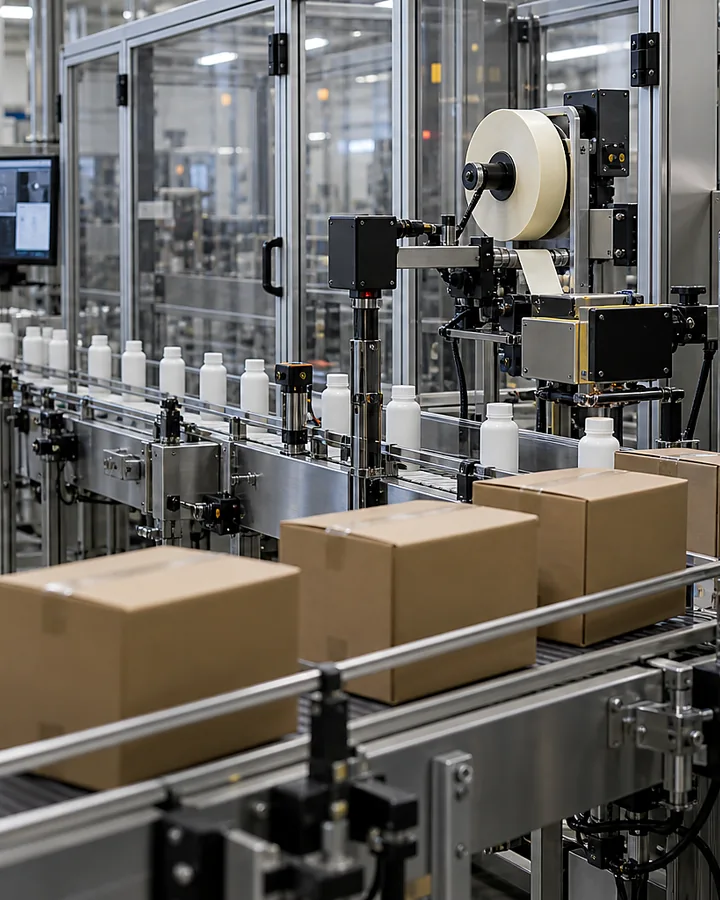
Provide conveyor dimensions, normal and credible extreme speeds, spacing and presentation. Include starts, stops, closely spaced groups and any reverse or repeated movement relevant to the real route.

Question 4

Line, Business-System and Network Interfaces

Name the event required by the tracking system and the source of expected identities. Agree when a group result is accepted and acknowledged, and identify the physical, control and data interface owners.

Question 5

Exception, Rework and Duplicate Handling

Define handling for missed, extra or repeated reads and reworked groups. State what the line and operator should do when a result remains unresolved, including access and controlled recovery.

Question 6

Verification, Retention and Reconciliation Evidence

Run known physical groups through the agreed normal and difficult conditions. Compare expected identities, observed tags and accepted records separately, retaining discrepancies and agreed follow-up.

Your operating cycle

Plan for more than automatic running

Include replenishment, normal production, planned change, short stops, fault recovery, cleaning and maintenance for production identification using controlled conveyor RFID read zones. A fast automatic step can still leave your team with a slow or awkward overall process.

Prove the result

Test production identification using controlled conveyor RFID read zones against real identifiers, interfaces and exception scenarios

Normal production

Run the agreed product or part mix for production identification using controlled conveyor RFID read zones at your intended operating pattern.

Difficult conditions

Include credible extremes for identifier and data rules for controlled conveyor RFID read zones and substrate, label or tag behaviour.

Fault and recovery

Show how the proposed solution detects a problem affecting production identification using controlled conveyor RFID read zones, responds safely, informs your team and restarts under control.

Important limits

Be clear about what the trial has shown

Compare with Data Integration and Exception Handling for Controlled Conveyor RFID Read Zones if that operating pattern is closer to your application.